
How to Inspect the Quality of Carbon Fiber Reinforced Polymer (CFRP) Products? Application Solutions of X-Ray Nondestructive Testing in the CFRP Products Industry
Carbon Fiber Composites: An Important Material for Advanced Manufacturing

Carbon Fiber Reinforced Polymer (CFRP) is a high-performance material composed of carbon fibers and a polymer resin matrix. Compared with traditional metallic materials, CFRP offers the following advantages:
-
High strength / high stiffness
-
Lightweight properties
-
Excellent fatigue resistance
-
Strong corrosion resistance
As a result, it is widely used in
-
Aerospace structural components
-
lightweight parts
-
High-end sports equipment
-
Rail transit equipment
-
Wind power and new energy devices
-
Industrial automation equipment
-
Marine and offshore engineering structures
As the application of composite materials continues to expand, ensuring the quality and structural reliability of composite products has become a critical challenge for manufacturers seeking to enhance both quality control and cost competitiveness.
Why Are Internal Defects in Carbon Fiber Composite Products Difficult to Detect?
During the manufacturing process of composite products, various internal defects may occur in the lay-up, curing, and machining stages, such as:
-
Voids / porosity
-
Delamination
-
Fiber waviness / fiber misalignment
-
Resin-rich areas
-
Cracks or creases
These defects are typically located inside the composite structure and are difficult to identify through visual inspection alone.
If these defects are not identified in a timely manner, they may lead to:
-
Reduction in material strength
-
Increased risk of structural failure
-
Shortened product service life
Therefore, the composite products industry widely adopts nondestructive testing (NDT) technologies for quality control purposes.
Principle of X-Ray Nondestructive Testing Technology
X-ray inspection works by penetrating the internal structure of a material and forming images based on the differences in X-ray absorption caused by varying material densities, thereby enabling visualization of the internal structure.
Compared with traditional inspection methods, X-ray inspection offers the following advantages:
✔ Nondestructive – does not damage the product
✔ Enables observation of internal material structures
✔ High inspection efficiency – suitable for batch testing
✔ Allows defect localization and quantitative analysis
In the composite products industry, the common X-ray inspection methods include:
• DR (Digital Radiography)
• CT (Computed Tomography)
DR Inspection: Suitable for Production Testing
DR (Digital Radiography) is a high-speed digital imaging technology suitable for production lines or batch inspection scenarios. Its main features include:
-
Fast imaging speed
-
High inspection efficiency
-
Rapid identification of typical defects
Detectable defects include:
-
Voids
-
Cracks
-
Fiber waviness / fiber misalignment
-
Abnormal resin distribution
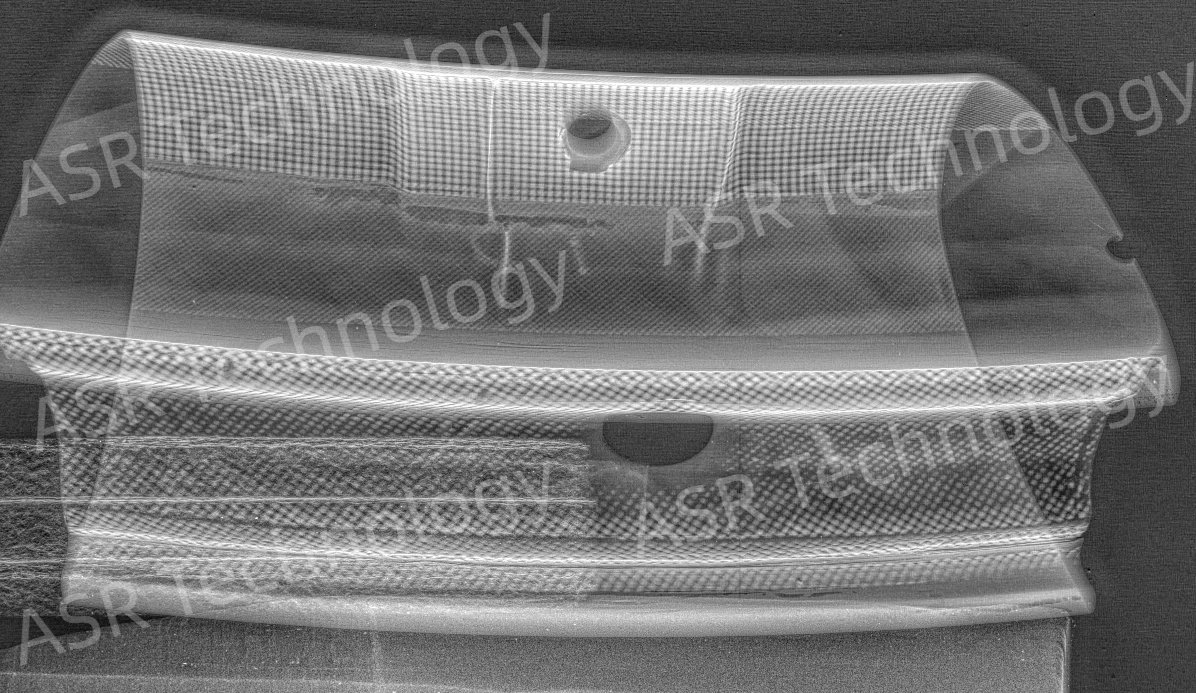
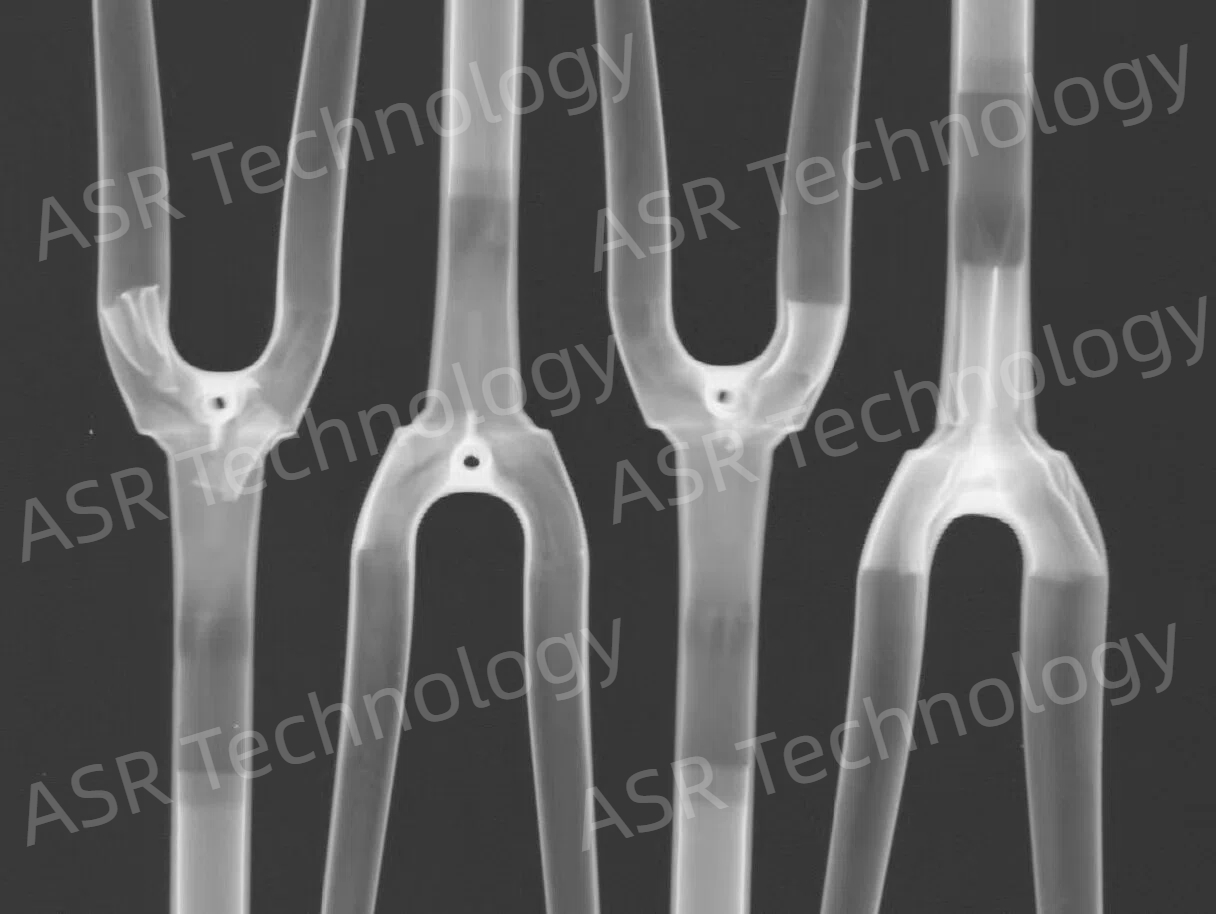
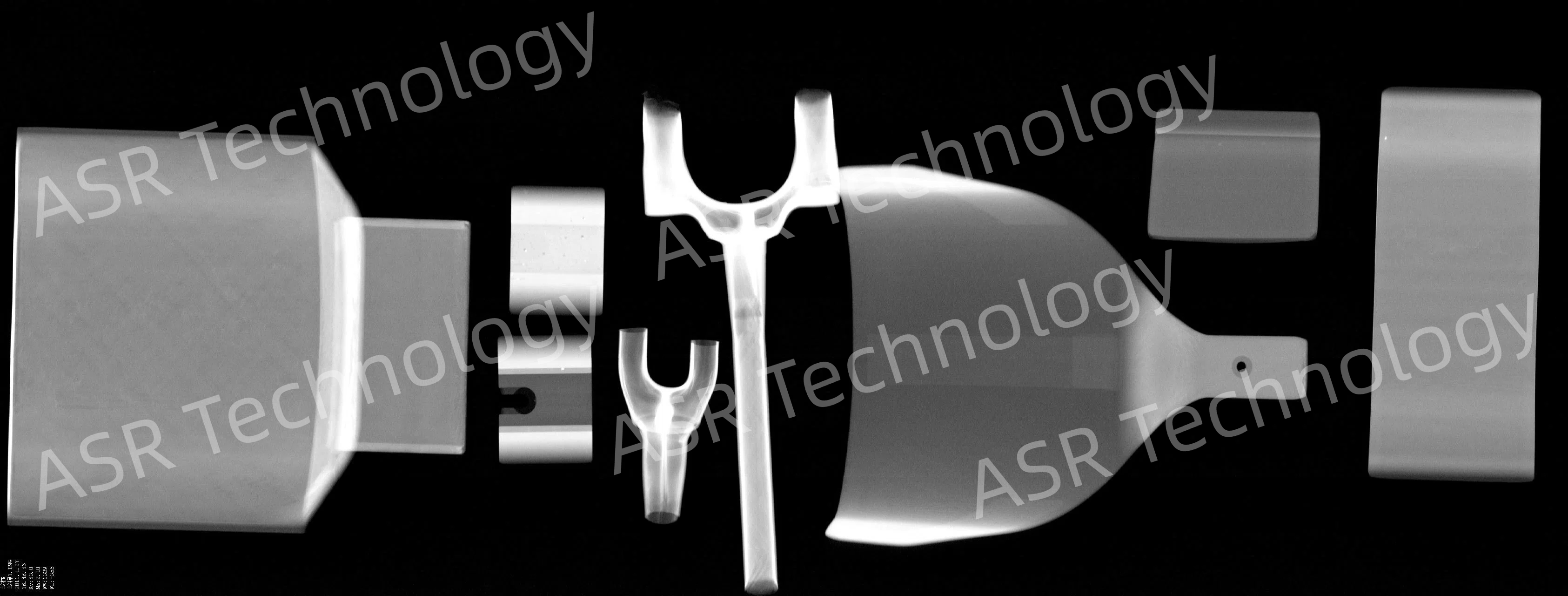
DR Inspection Imaging Example of Carbon Fiber Composite Structural Components
CT Scanning: Enabling 3D Structural Analysis
CT inspection reconstructs the internal three-dimensional structure of a material through multi-angle scanning.
Compared with DR inspection, CT technology offers a higher-dimensional information capability and can be used for:
-
3D structural analysis
-
Precise defect localization
-
Dimensional and structural measurements
-
Failure analysis
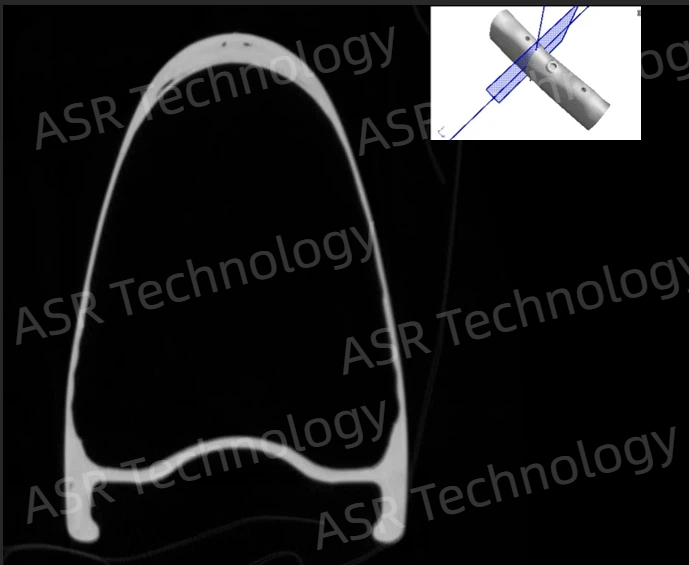
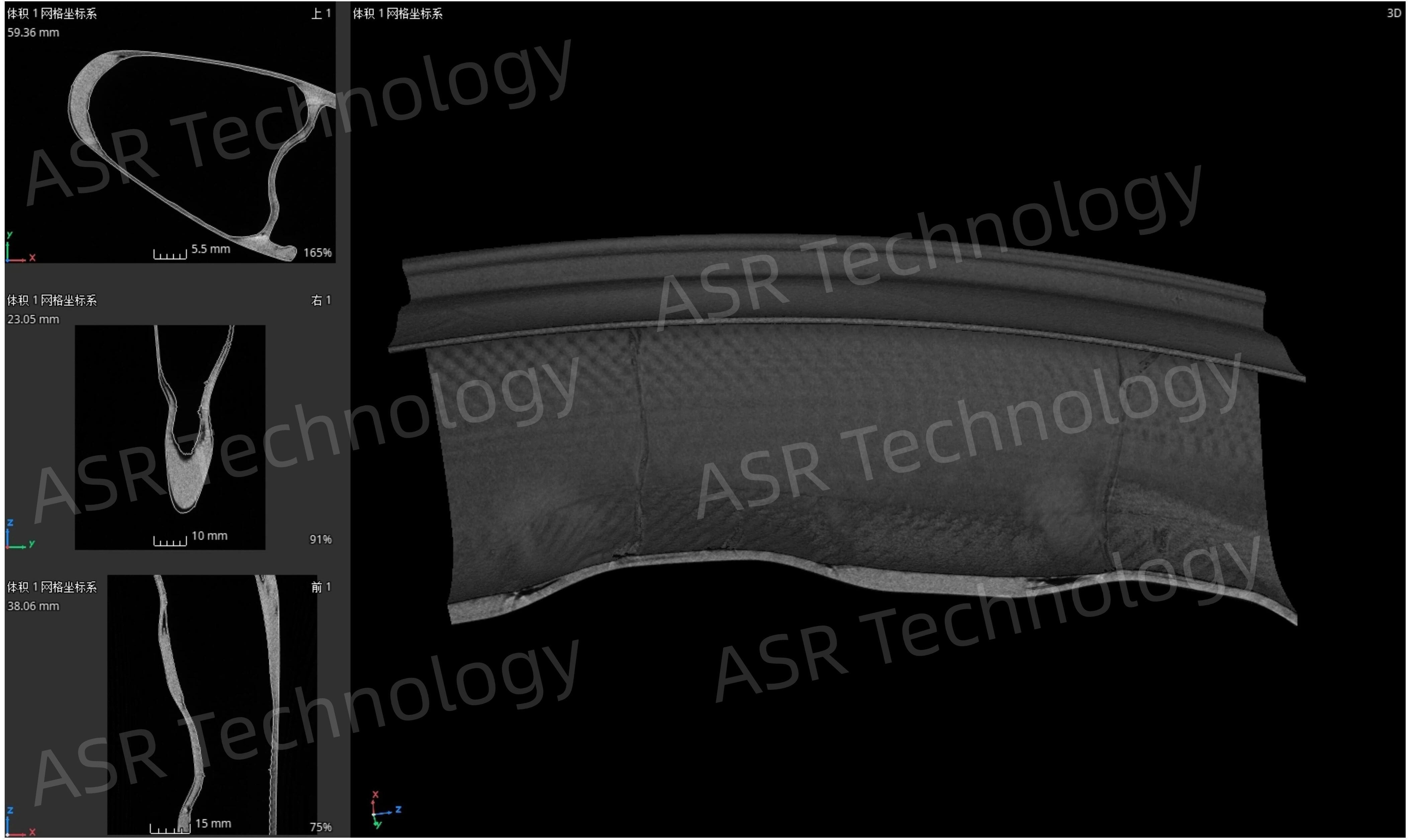
3D CT Structural Reconstruction of Carbon Fiber Composite Products
Typical Applications of X-Ray Inspection in the Composite Materials Industry
As carbon fiber composite materials continue to expand their presence in high-end manufacturing sectors, X-ray inspection technology has become widely adopted for quality control of composite products.
Typical application areas include:
- High-End Sports Equipment
- Aerospace Composite Structural Components
- Automotive Lightweight Components
- New Energy and Industrial Equipment
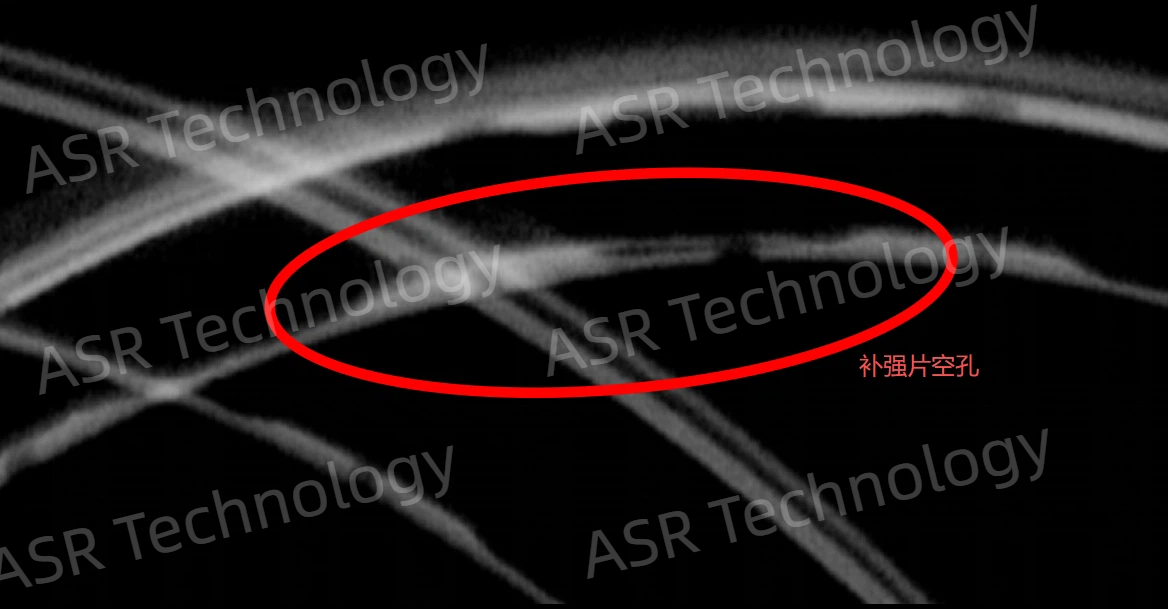
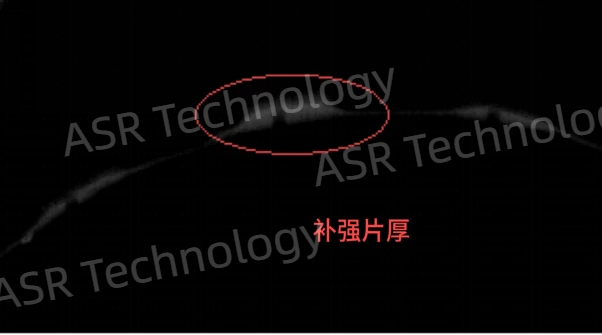
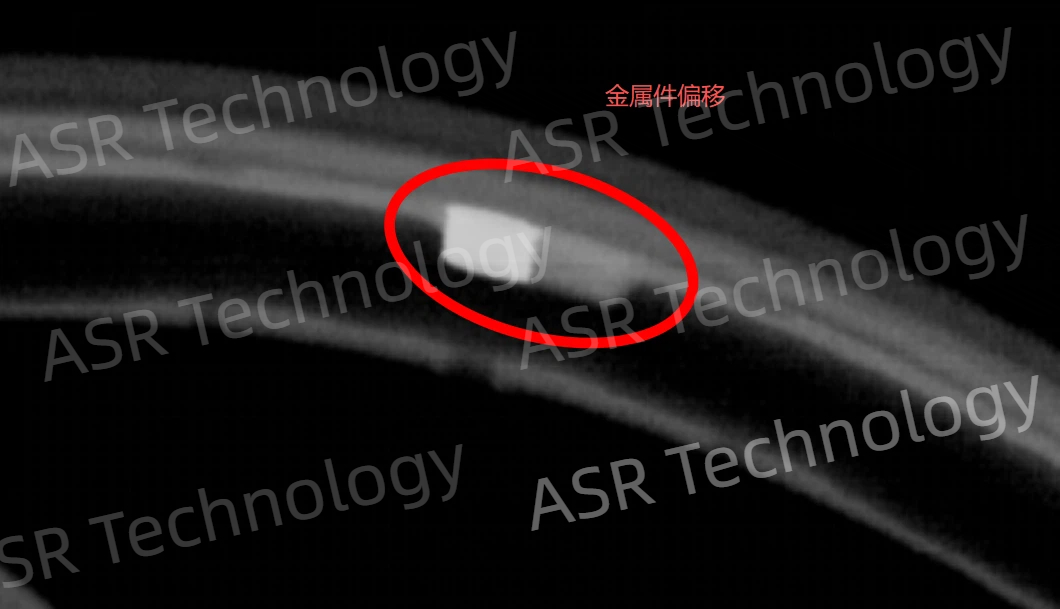
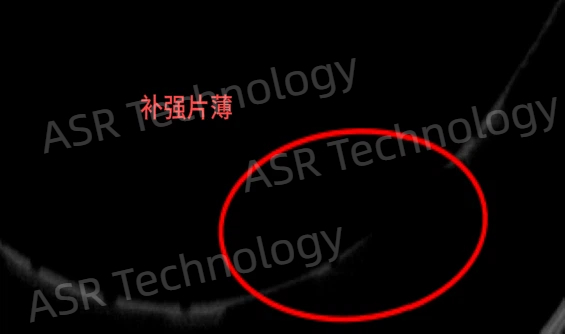
Example of Localized Structural Defect Inspection in Carbon Fiber Composite Products
The Value Brought by X-Ray Inspection
By implementing an X-ray inspection system, manufacturers can:
Improve Product Quality
Detect internal defects in products before they reach the next stage of production or delivery.
Reduce Quality Risks
Prevent defective products from entering the market, thereby protecting brand reputation and reducing liability.
Enhance Production Efficiency
Enable automated and batch inspection capabilities, significantly increasing throughput compared to manual or traditional methods.
Establish a Quality Data System
Inspection data can be used for product quality traceability and process optimization, supporting continuous improvement initiatives.
Aisirui Technology: Composite Products Inspection Solutions
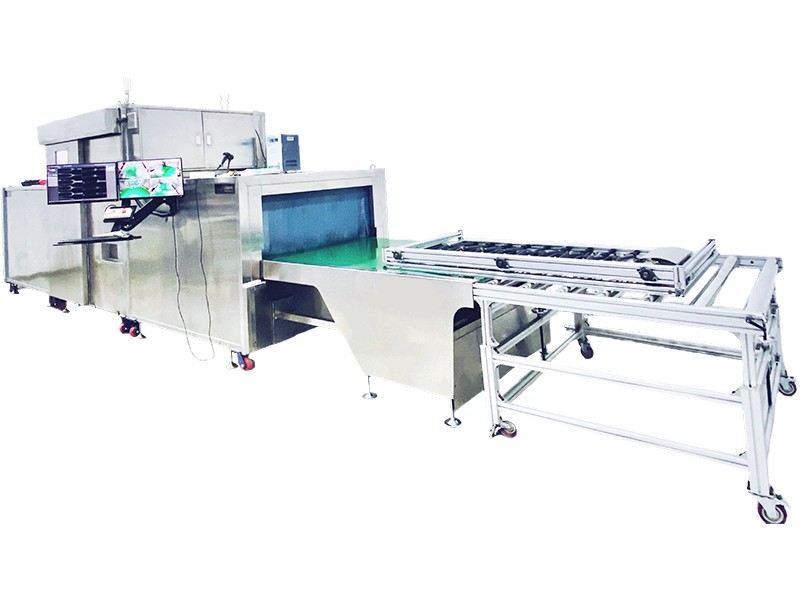
To meet the inspection demands of the composite products industry, Aisi Rui Technology offers a variety of X-ray nondestructive testing equipment solutions, enabling precise inspection of the internal structure of carbon fiber composite products.
System Capabilities:
-
Large-Scale Composite Product Inspection
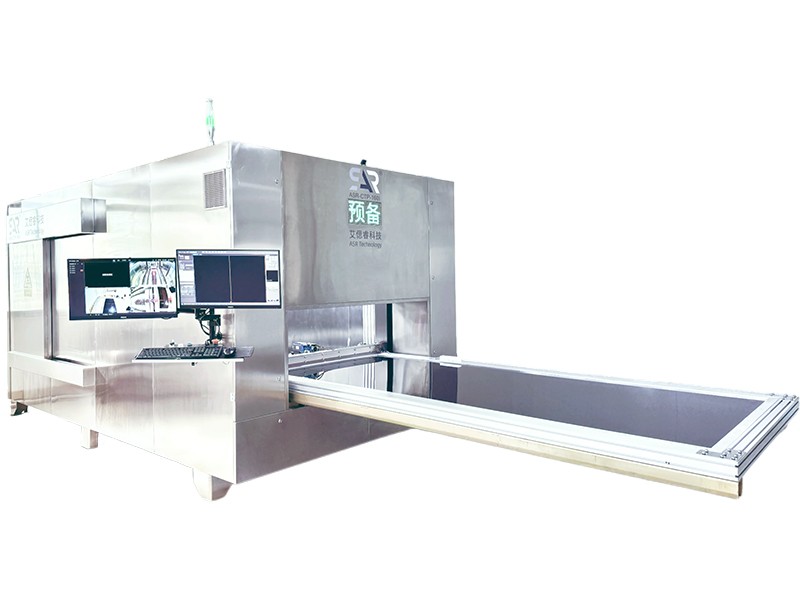
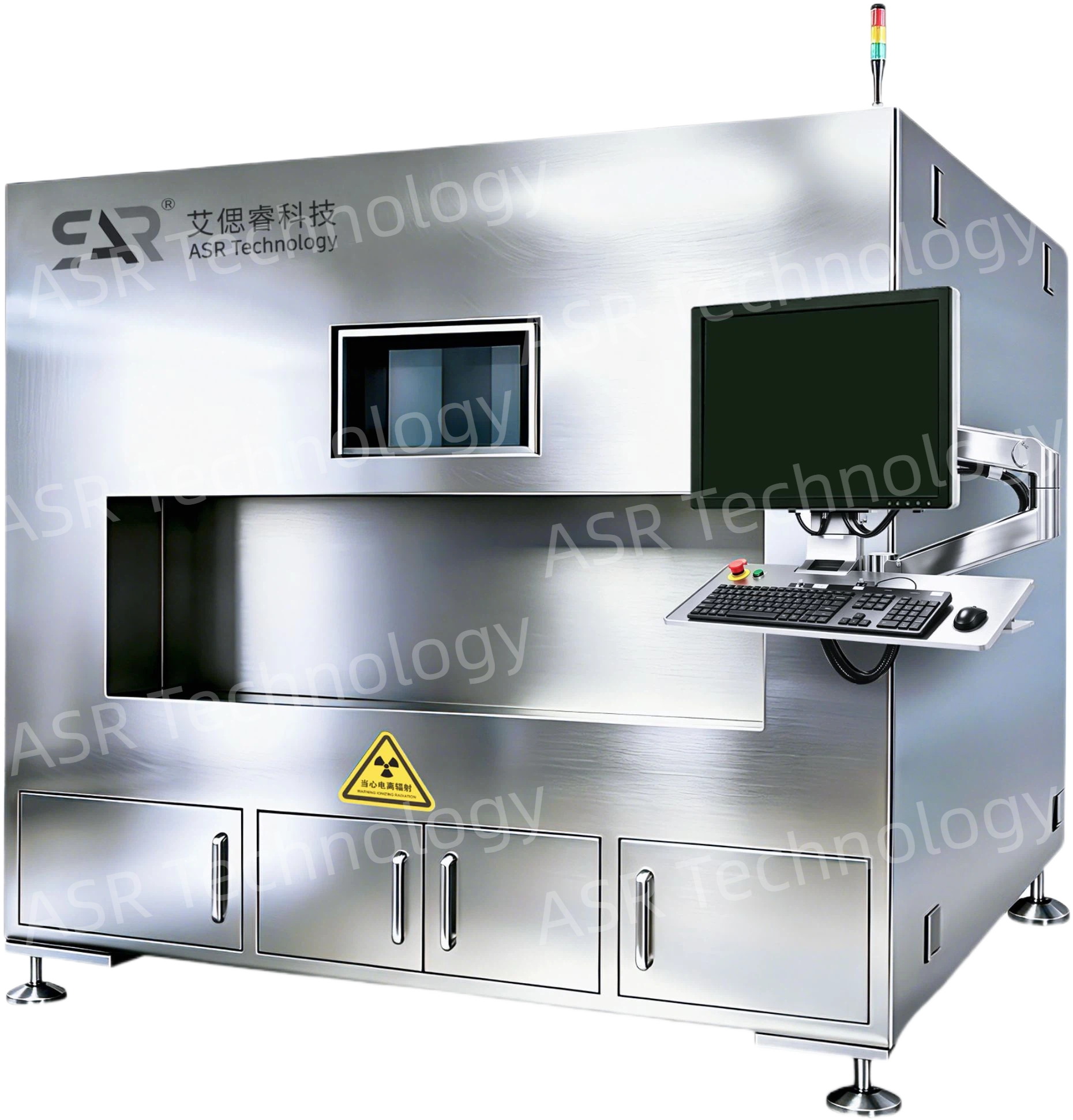
ASR-DT160I – X-Ray Digital Radiography Inspection System
The ASR-DT160I is an X-ray digital imaging inspection system capable of micron-level defect detection, making it ideal for rapid inspection of carbon fiber composite products.
The system delivers high-resolution imaging of internal composite structures, enabling effective identification of typical defects such as porosity, delamination, and cracks. It is well-suited for production-line inspection and quality control applications.
ASR-CTP160I – DR/CT Dual-Mode Integrated Inspection System
The ASR-CTP160I is a dual-mode integrated inspection system that combines 2D Digital Radiography (DR) and 3D Computed Tomography (CT) in a single platform.
The system enables 3D reconstruction and detailed analysis of internal structures in carbon fiber composite products, catering to both production-line inspection and high-precision analytical requirements. It is ideally suited for applications such as product development, process optimization, and failure analysis.
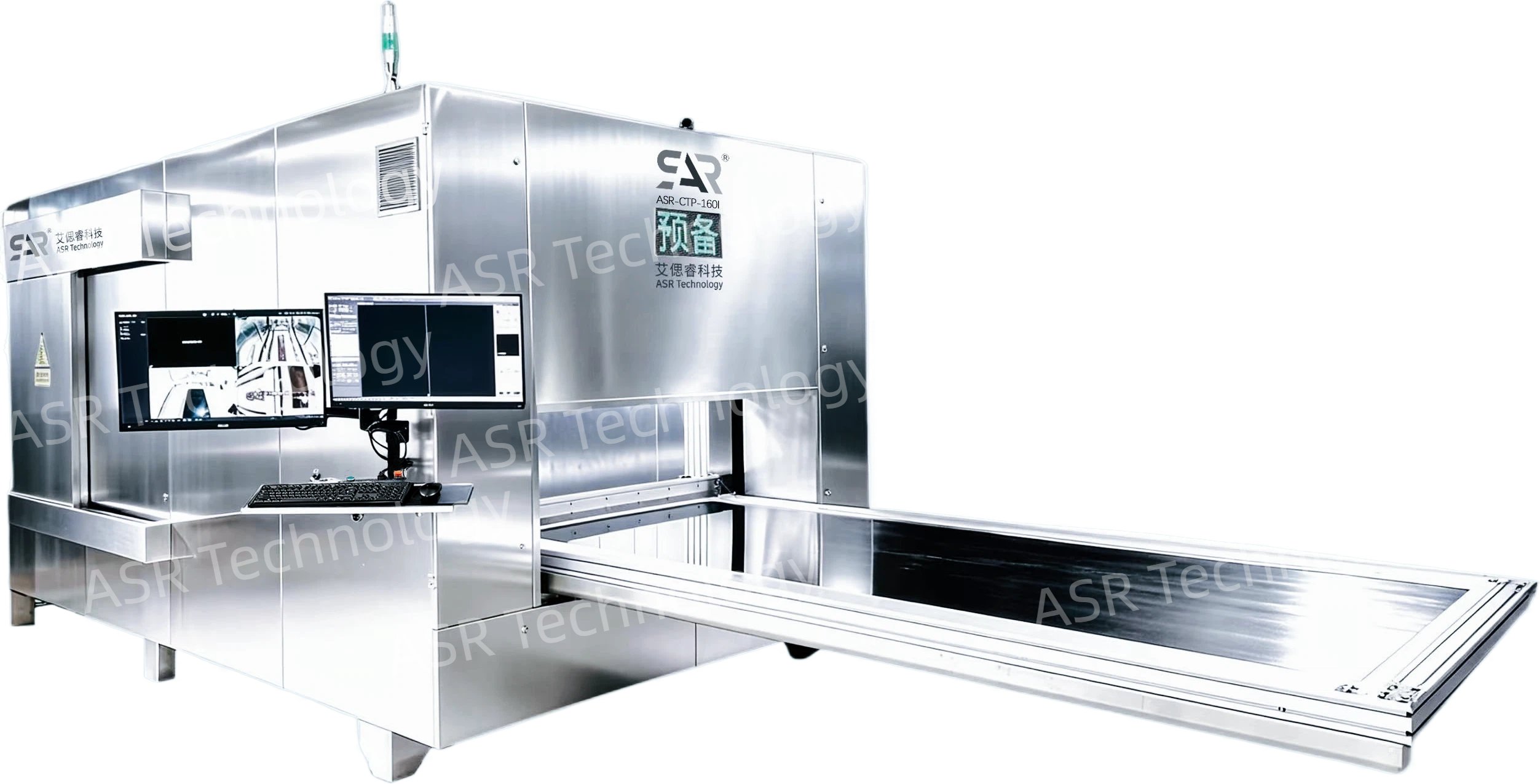
By combining DR and CT inspection technologies, a complete nondestructive testing solution can be provided for carbon fiber composite products – covering everything from production-line inspection to R&D analysis.
As the application of composite materials continues to expand, the importance of quality control for composite products becomes increasingly prominent.
X-ray nondestructive testing technology, by making internal structures "visible," offers a more reliable means of quality inspection for the composite products industry.
For more information about X-ray inspection solutions for composite products, please feel free to contact:
ASR Technology

For more technical information and application case studie