
Is X-ray inspection of food safe? This article takes you through food safety testing technology
Why are more and more food factories beginning to use X-ray inspection equipment?
In recent years, food safety incidents have frequently become the focus of public attention. Food is the Paramount necessity of the people, and safety comes first in food. For food enterprises, a foreign object issue may lead not only to complaints but also to recalls, fines and even brand crises. Against this backdrop, a detection technology is being adopted by an increasing number of food enterprises: X-ray food foreign object detection technology
So, what exactly is X-ray inspection? Why is it becoming more and more important?
Today, let's learn about it together!
I. The five most common types of foreign substances in Food
Even with strict management, there may still be a risk of foreign objects in the food production process.
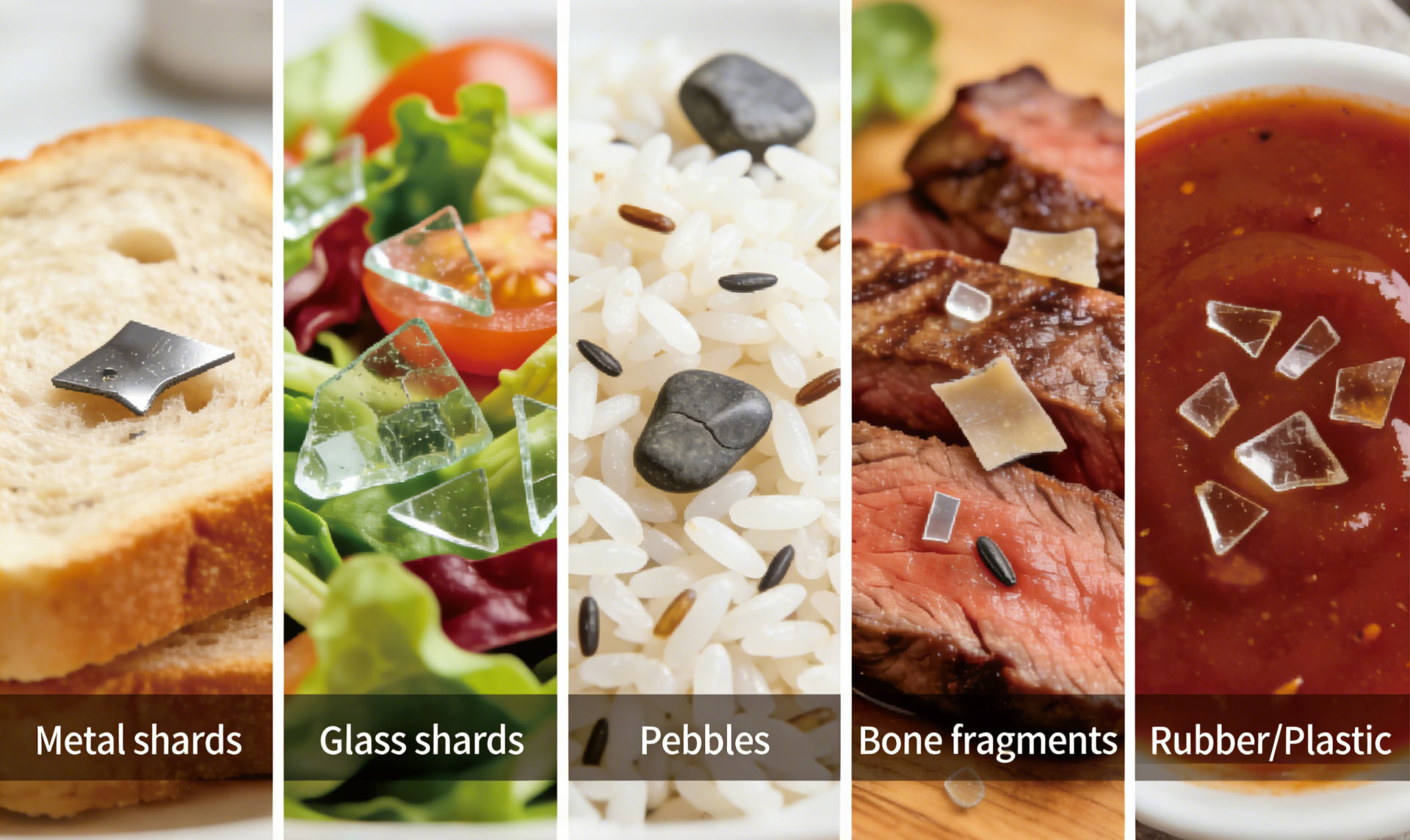
Common foreign objects in food mainly include:
① Metal fragments
Source:
• Equipment wear
• Tool breakage
• Conveying equipment
② Glass Fragments
Source:
• Lamp breakage
• Packaging material
• Container damage
③ Stones and Sand Contaminants
Sources:
• Raw material contamination
• Agricultural harvesting processes
④ Bone Fragments
Commonly found in:
• Meat products
• Seafood products
⑤ Rubber and Plastic
Sources:
• Equipment sealing components
• Conveyor belt materials
II.Limitations of Traditional Inspection Methods
Many food companies still rely on:
• Manual visual inspection
• Metal detectors
However, these methods have clear limitations.
Manual Inspection
Disadvantages:• Low efficiency
• Prone to fatigue
• Inconsistent judgment
Metal Detectors
Advantage:
• can detect metal
However, they cannot detect:
• Glass
• Stones
• Bones
• Plastics
Therefore, more and more companies are turning to: X-ray Inspection Systems
III.What Can X-ray Inspection Detect?
The core principle of X-ray inspection is: Different materials absorb X-rays to varying degrees depending on their density.
Through imaging technology, internal structural differences within food can be identified, enabling the detection of foreign contaminants.
Detectable Materials:
• Metal• Glass
• Stones
• Bones
• High-density plastics
• Rubber
It can even perform detection under challenging conditions such as:
• Aluminum foil packaging
• Complex food structures
• Overlapping products
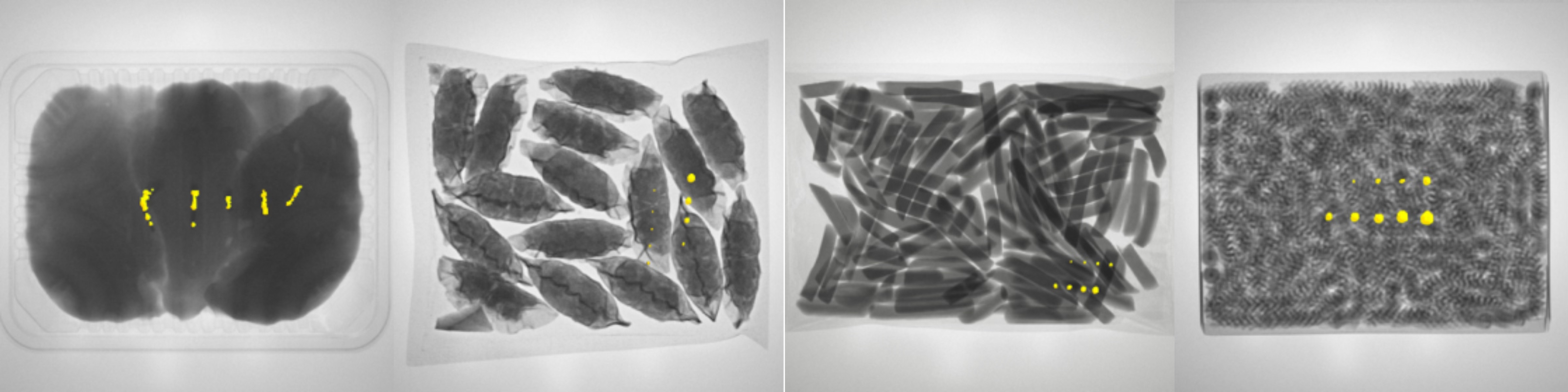 Schematic diagram of X-ray detection of food internal structure
IV. Is X-ray Inspection Safe for Food?
Many consumers may wonder:
Will food be affected by radiation after X-ray inspection?
In fact, there is no need to worry at all.
The X-ray dose used in food inspection equipment is extremely low.
These systems typically feature:
• Fully enclosed structure
• Multiple safety protection mechanisms
Radiation levels are usually below 1 μSv/h, far lower than international safety standards.
Therefore:
• It does not alter the structure of food• It does not affect nutritional value
• It does not make food radioactive
X-ray inspection technology has already been widely adopted across the global food industry.
V. What Else Can Food X-ray Inspection Systems Do?
modern food X-ray inspection systems can also perform:
Product Quality Inspection:
• Missing product detection
• Fill level inspection
• Seal integrity inspection
• Product damage detection
One system = Safety inspection + Quality control
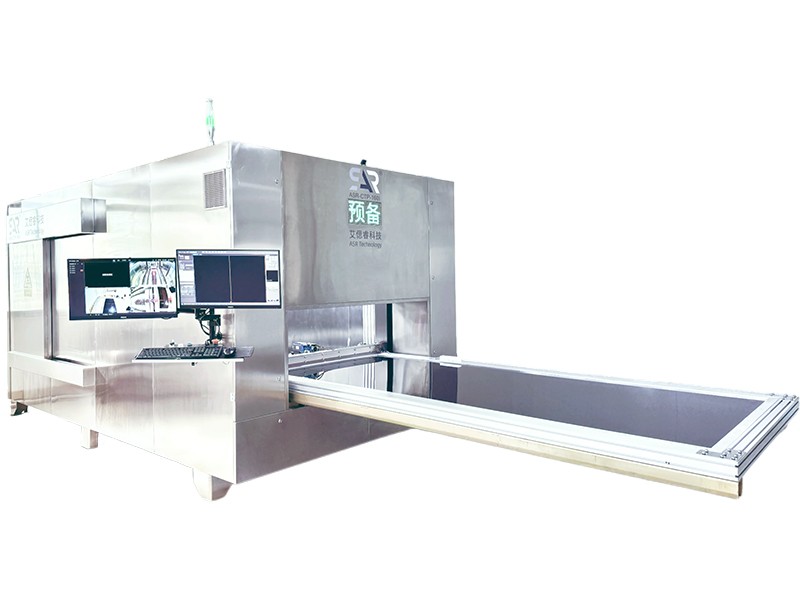
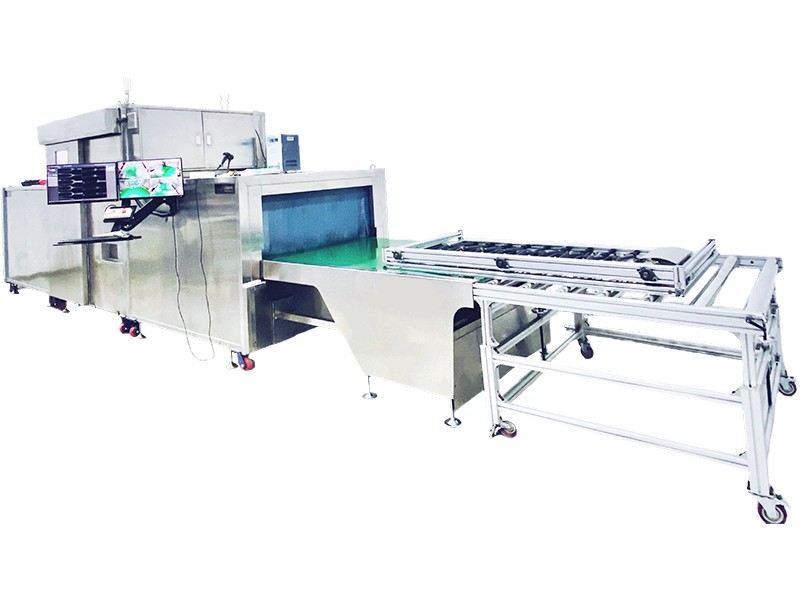
Aisirui offers professional X-ray foreign body detection systems for the food industry.
Key Features
① High-Precision Detection
Capable of identifying:
• Metal as small as 0.3 mm
• Glass below 2 mm
• Various contaminants such as stones and bones
Designed for high-speed production lines,
meeting the demands of large-scale food manufacturing.
The system features:
• 304 stainless steel construction
• High protection rating
• Easy-to-clean design
Fully compliant with food hygiene requirements.
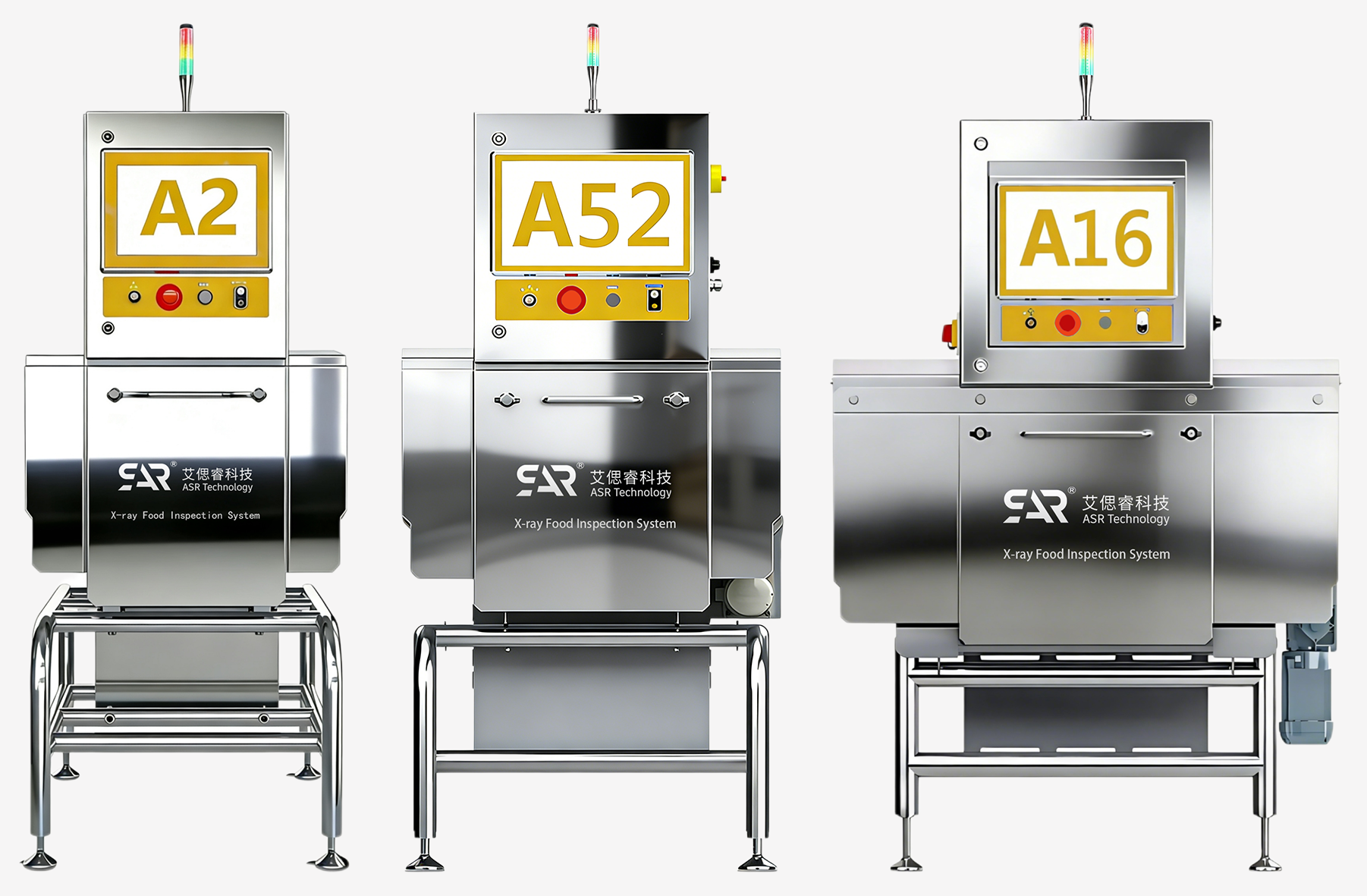
Aisirui X-ray Food Foreign Object Detection Equipment
VII. Applicable Industries
The equipment is widely used in:• Baked goods
• Snack foods
• Meat products
• Canned foods
• Frozen foods
• Dairy products
Helping food manufacturers build safer and more reliable production systems.
VIII. Conclusion
Food safety is not only critical to business development,
but also to the health of every consumer.
As inspection technologies continue to advance,
X-ray inspection systems are becoming an essential part of modern food production lines.
In the future, food safety inspection will become increasingly intelligent and automated.