
NDT solutions for new material R&D and quality control
Details
Pain points in new material research and quality control
Composite Products: How to non destructively evaluate the fiber arrangement, resin infiltration uniformity, and porosity inside carbon fiber composite materials?
Additive Manufacturing: How to accurately measure the support structure, lack of fusion defects, and dimensional accuracy inside 3D printed (additive manufacturing) parts?
Elemental Analysis of Solids, Powders, Plastics: How to visualize the composition and structure of solids, powders, and other substances?
Visible structures that cannot be seen
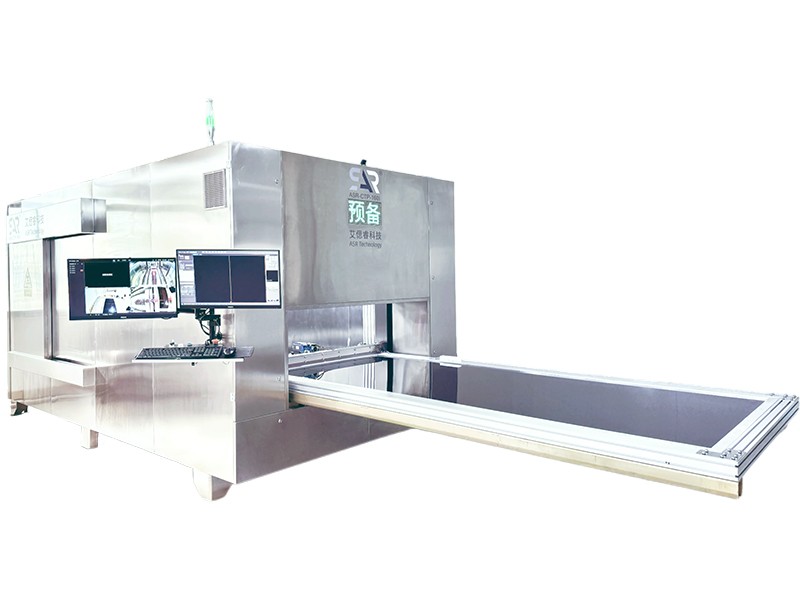
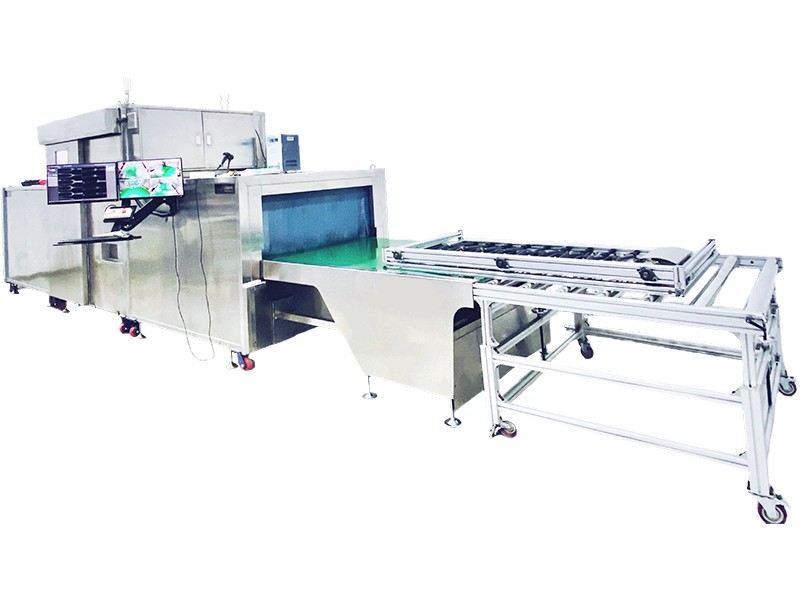
● High resolution X-ray imaging technology is a key means of analyzing the internal structure of materials. High definition two-dimensional perspective images can be obtained through digital radiography (DR) technology to quickly screen for internal defects and structural abnormalities. For complex components that require in-depth analysis, computer tomography (CT) technology can be further used to generate three-dimensional volume models.
● It can perform pore analysis, fiber orientation analysis, size measurement, reverse engineering, etc., providing quantitative data for research and quality control.
Non destructive testing scheme for carbon fiber composite products
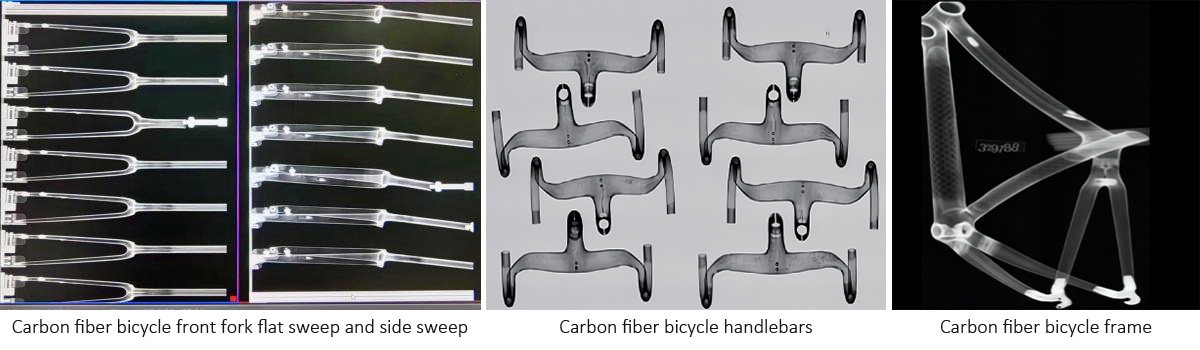
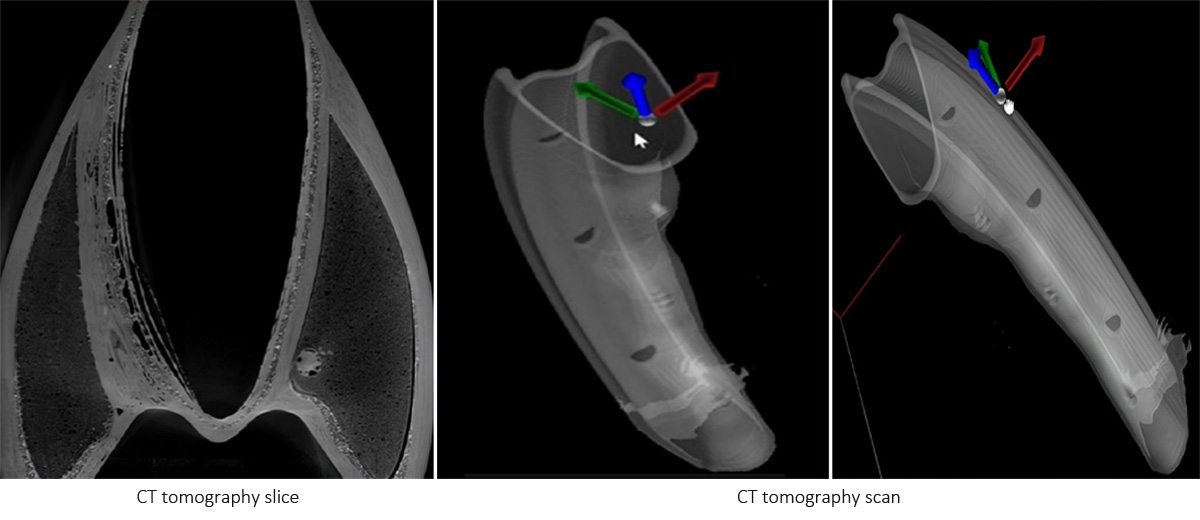
To ensure the excellent performance and absolute safety of carbon fiber bicycle components, we provide non-destructive testing solutions throughout the entire manufacturing process.
DR Rapid Screening: Perform rapid two-dimensional imaging (flat scan/side scan) on the frame, handlebars, front fork and other structures to efficiently screen for internal structural abnormalities and manufacturing defects, and strictly control the quality of the production line.
CT Fine Analysis: High resolution CT scanning is performed on suspected defect areas or core complex components. Through tomographic slicing and 3D reconstruction, the internal fiber layer and resin infiltration uniformity are analyzed non destructively, and the size and position of defects such as pores and cracks are accurately quantified, providing core data support for process optimization and high-end quality control.
Open up a new perspective on material research and development
 |
News recommendation